
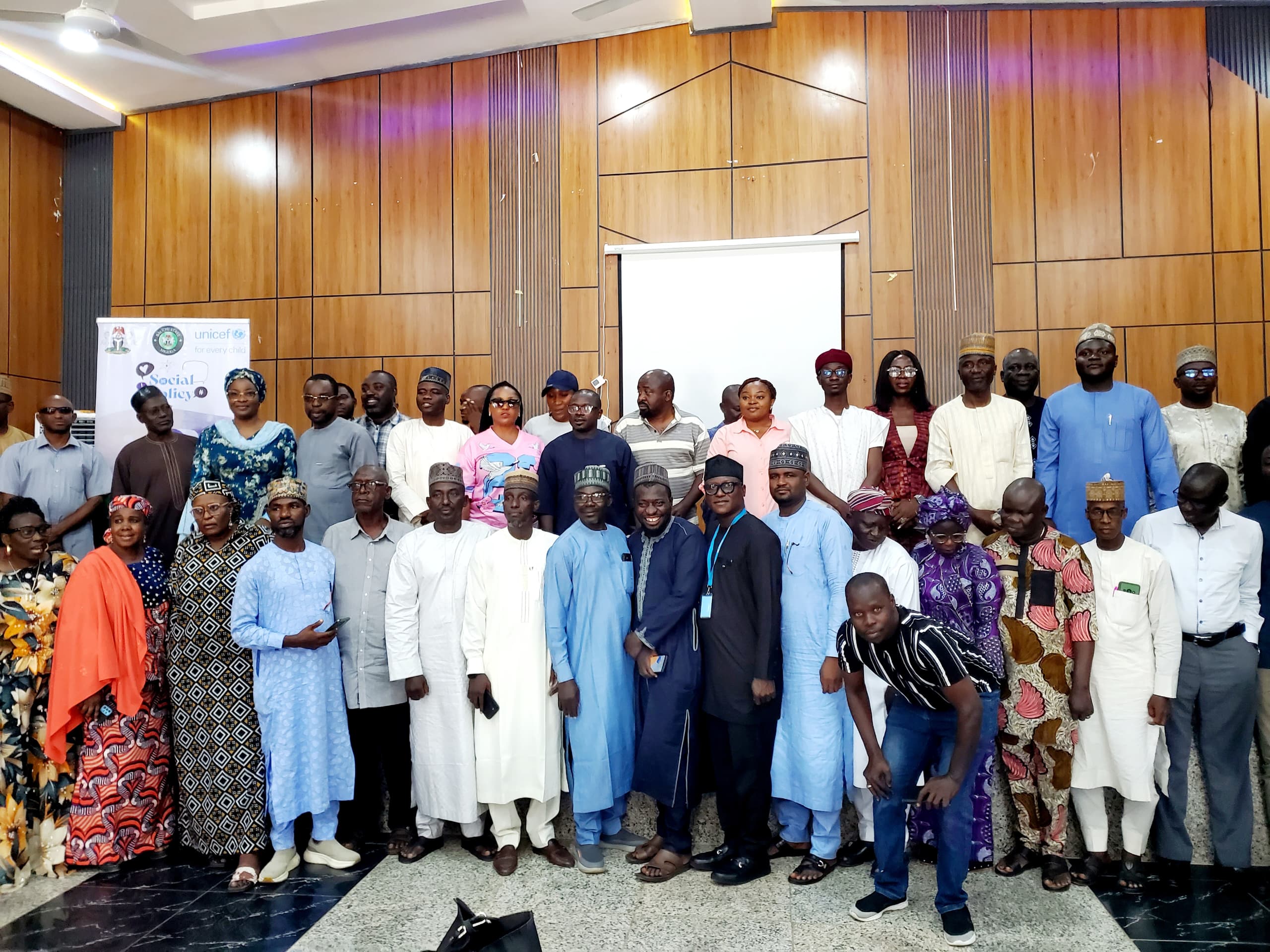
[]
Stakeholders have called on governments at all levels to ensure that every budgetary allocation for children translates into tangible improvements in their lives, stressing the need for greater efficiency, equity and accountability in public financing.
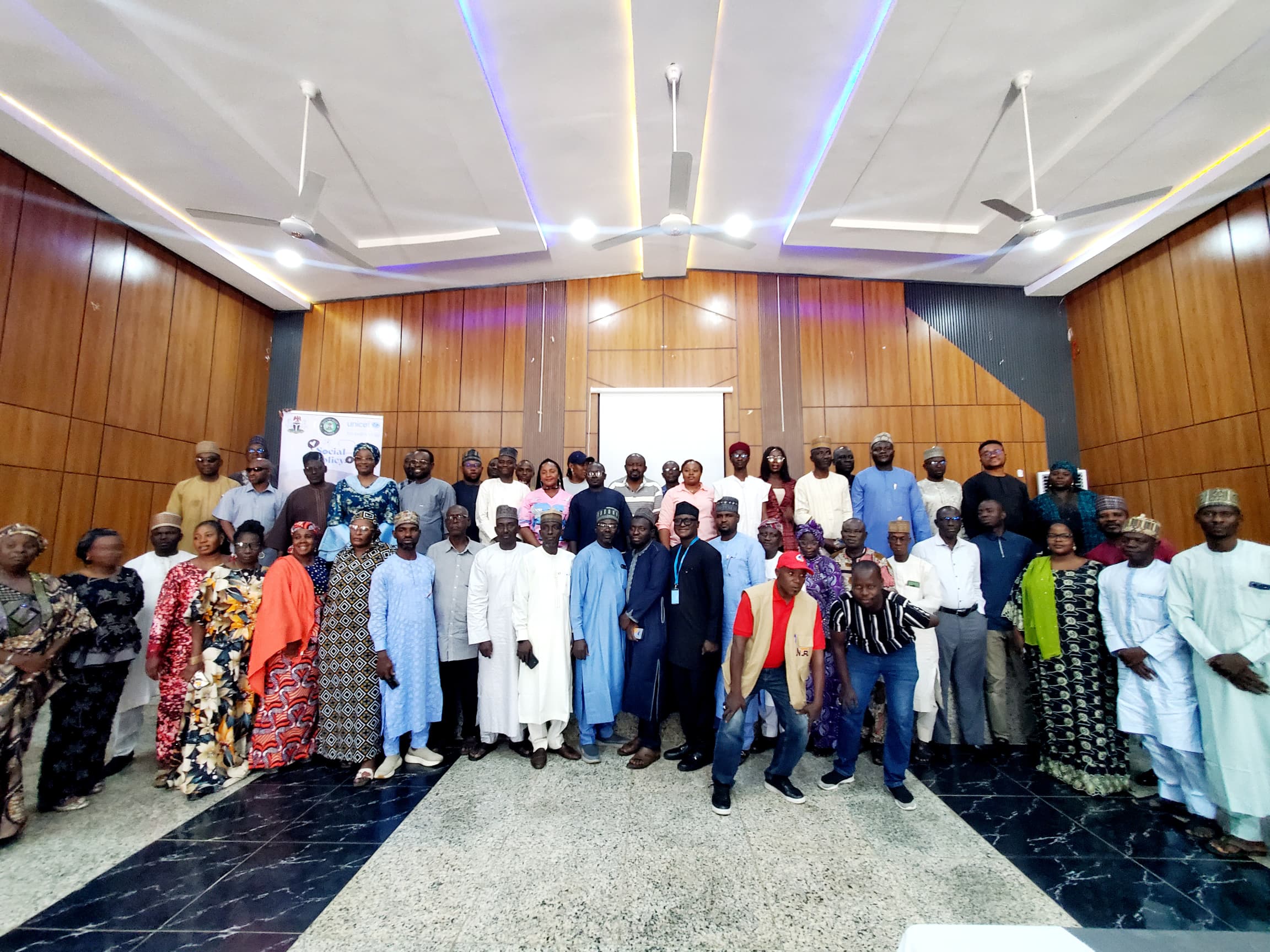
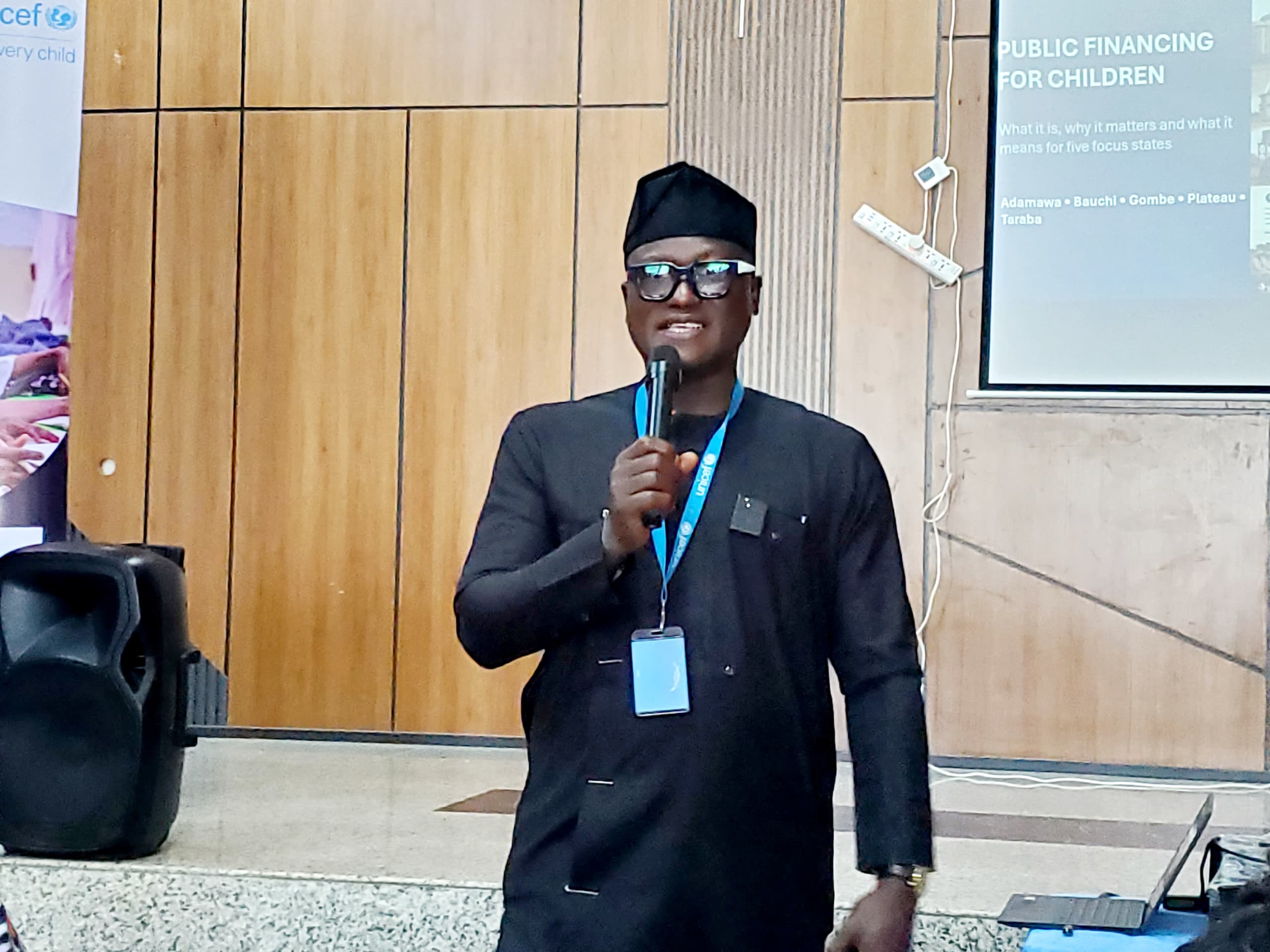
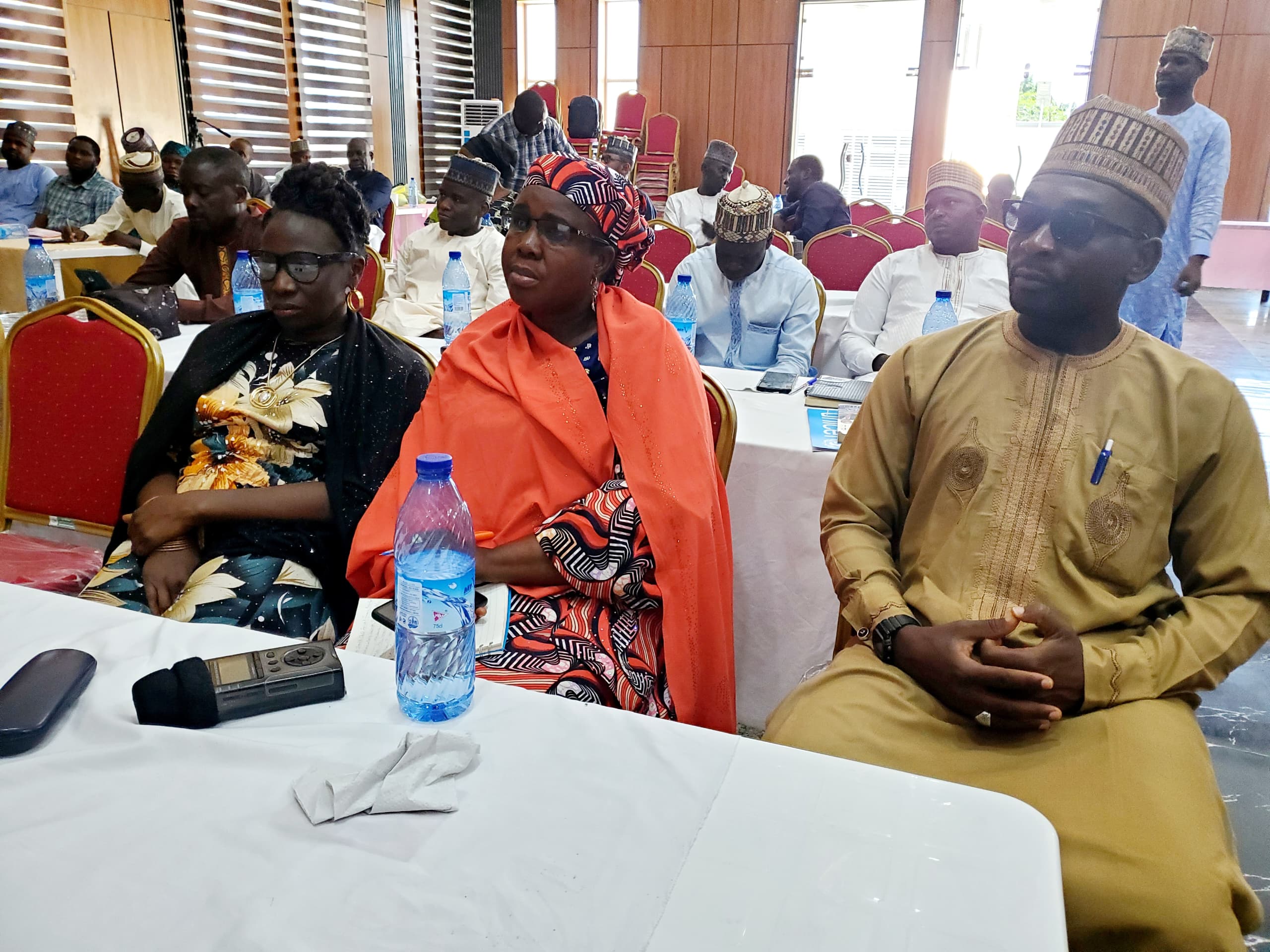
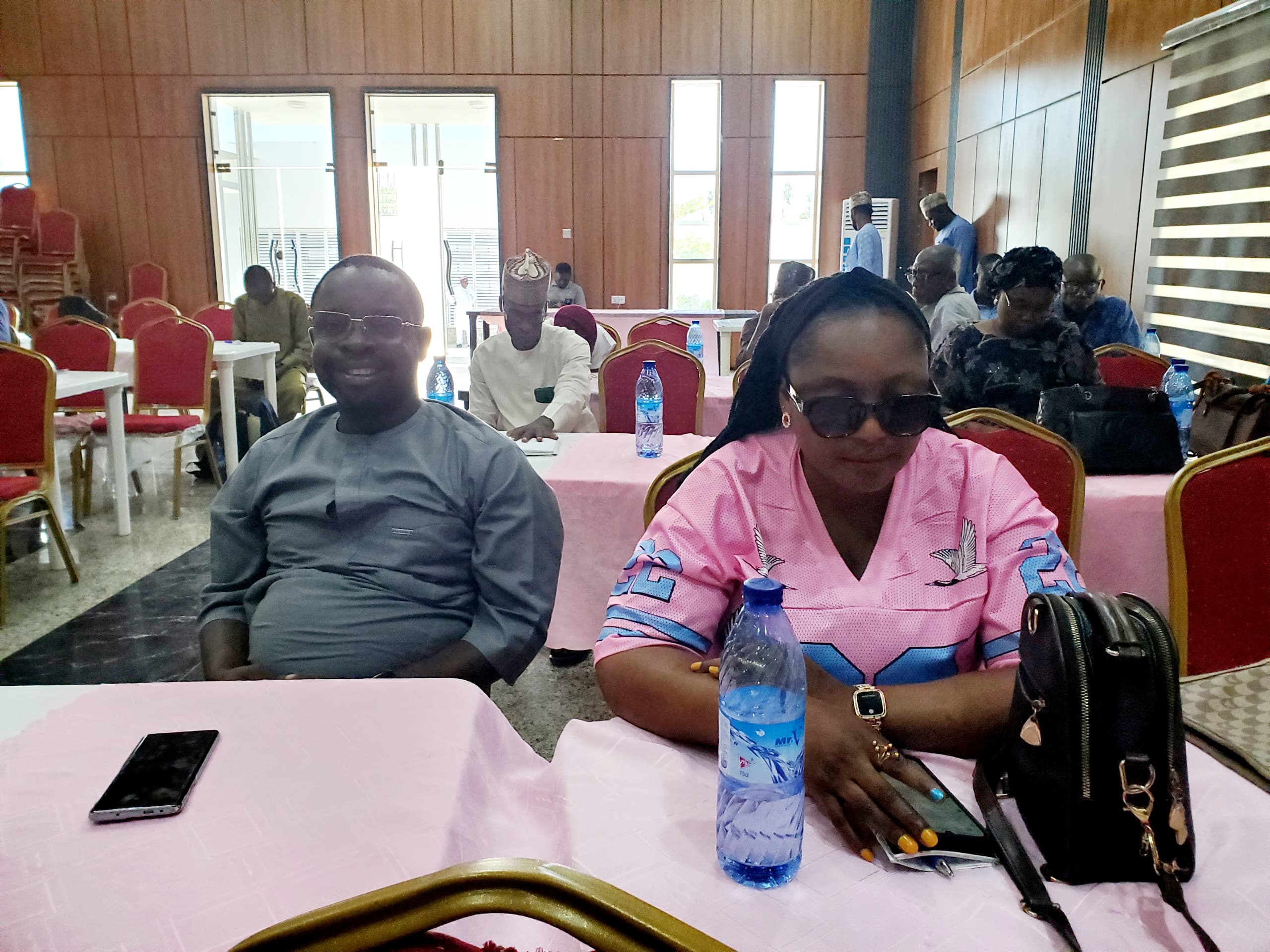
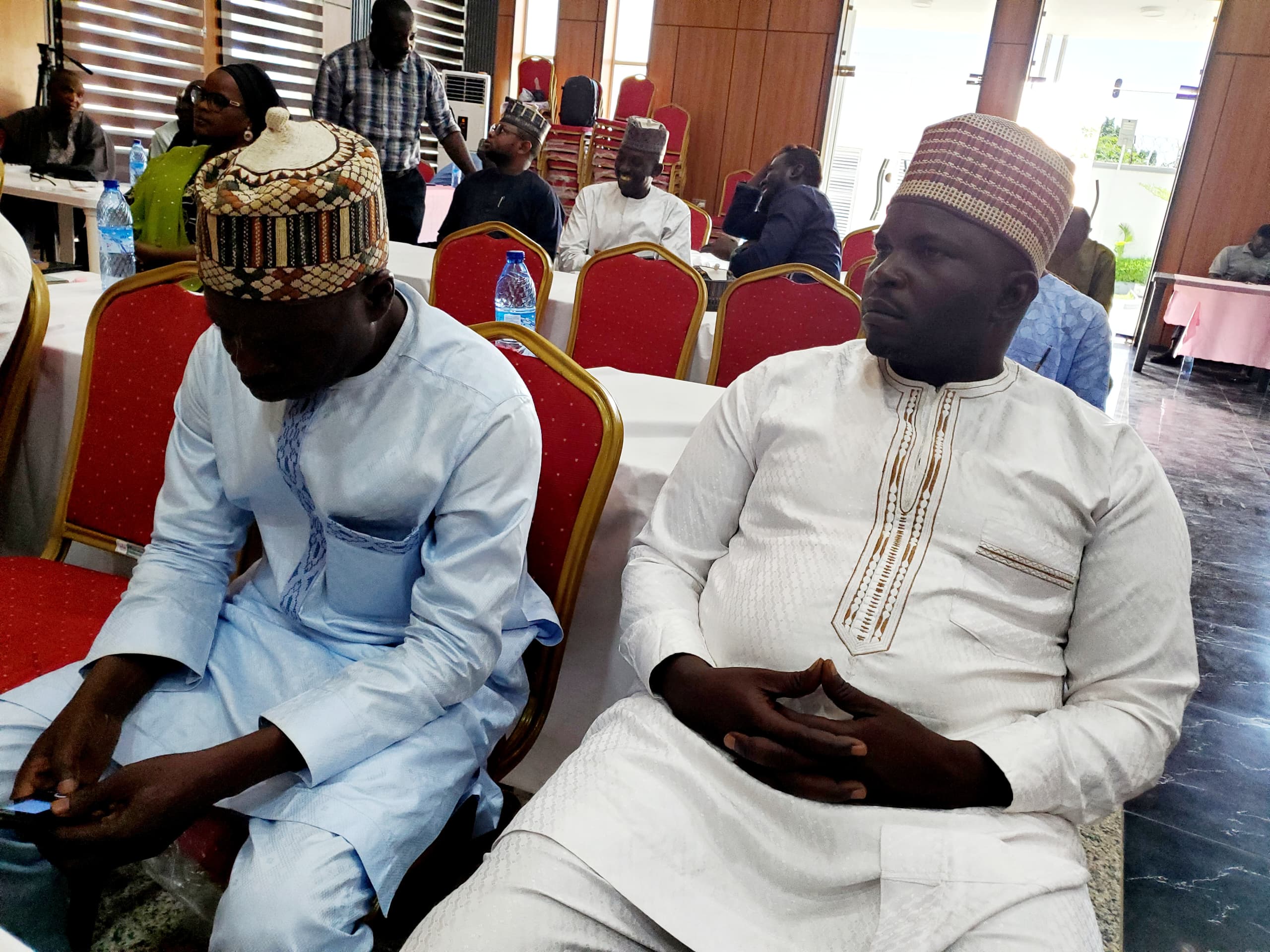
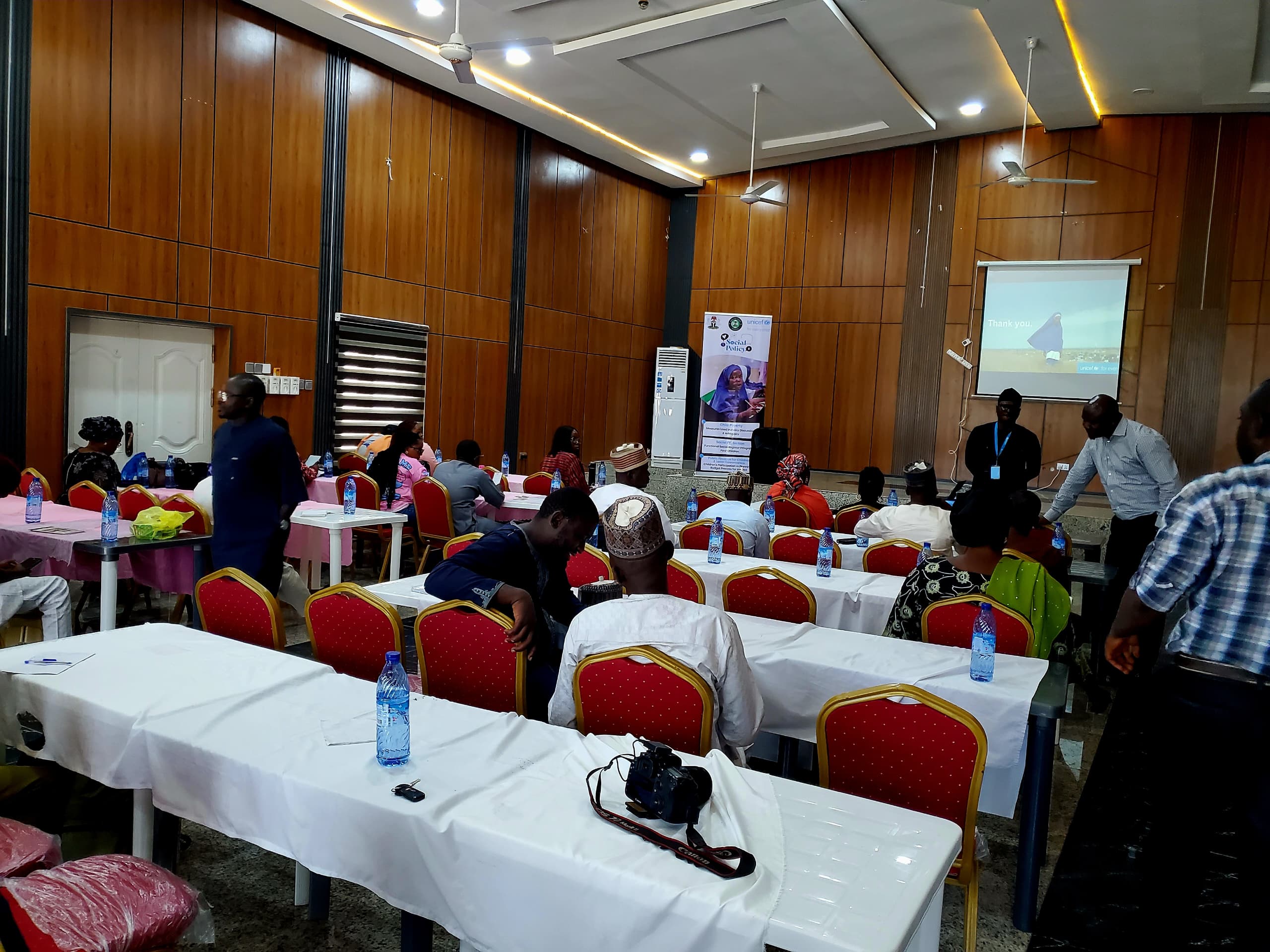
The call was made during a Public Financing for Children (PF4C) engagement with journalists in Bauchi State, which focused on how public resources are mobilised, planned, allocated, released, spent and accounted for.
Participants said public financing for children should go beyond announcing budgetary allocations, insisting that attention must also be paid to the adequacy of resources, timely releases, effective spending and the impact of government interventions.
The engagement highlighted adequacy, equity, efficiency and accountability as key principles that should guide child-sensitive budgeting and public expenditure.
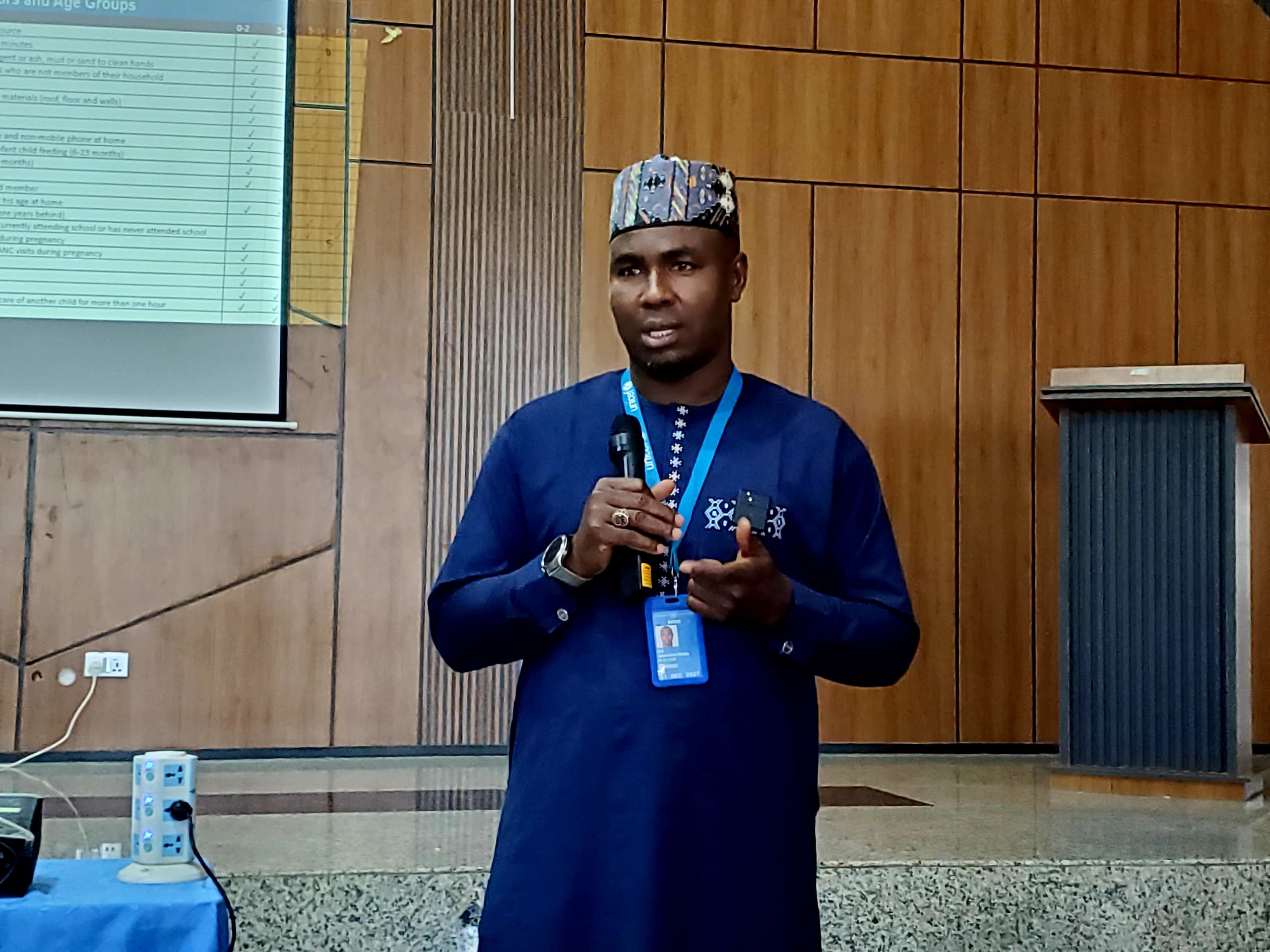
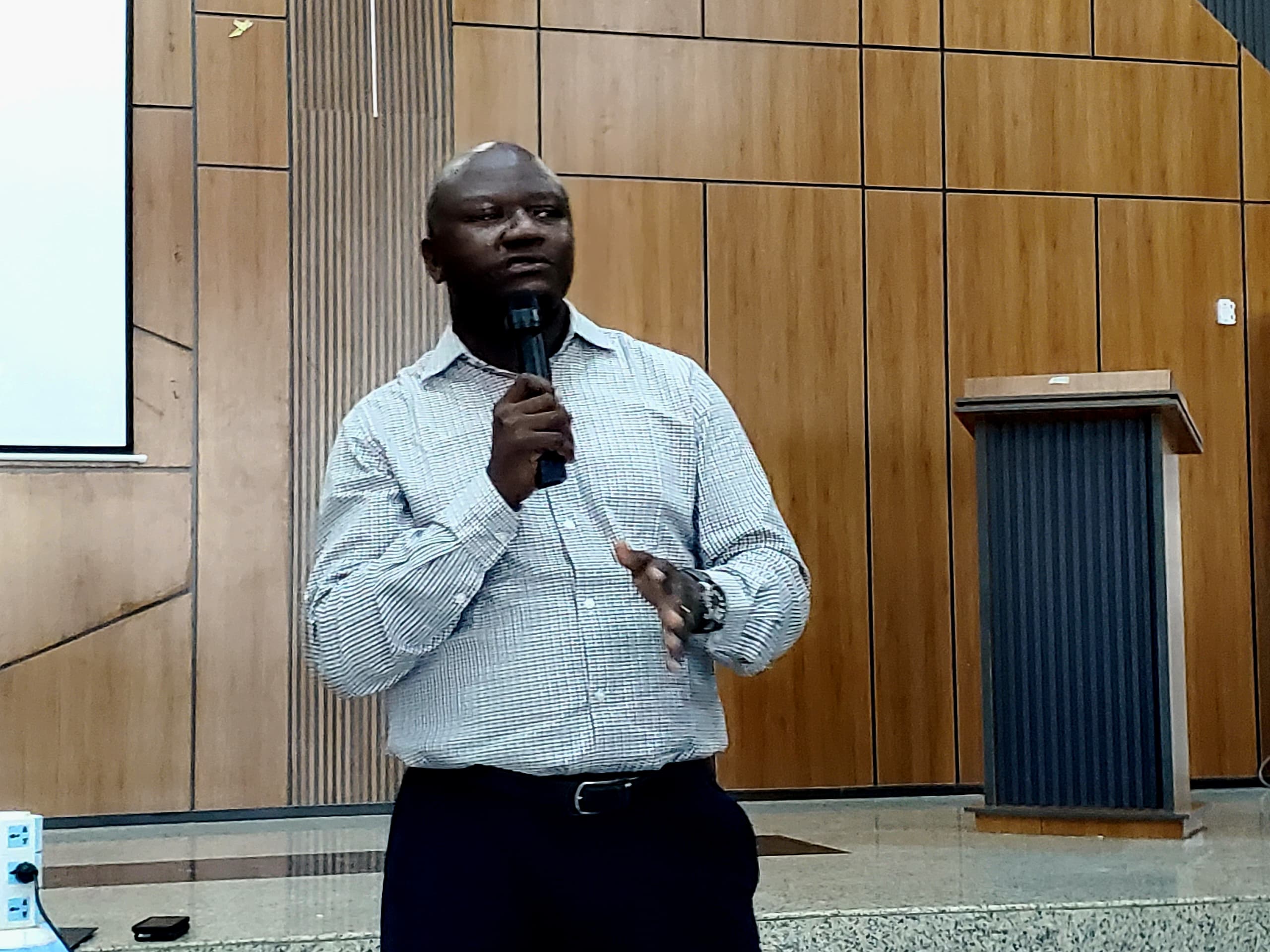
Speaking at the event, UNICEF Chief Field Officer, Abdulrahaman Ibrahim Ado, said the major concern should be whether government projects and programmes funded through public resources are actually reaching the target population.
He said development partners contribute to improving the wellbeing of children, but government remains the major financier of public services and must therefore do more to ensure that children receive the benefits of public investments.
According to Ado, “What we are doing is just a bigger amount, less significant to what government is projecting. But the reality, the project that the government is making every year, is it reaching the target population? That is the question.”
He noted that governments often report percentages allocated to education, health, social protection, WASH and child protection, but stressed that more attention should be given to tracking what is released from the approved budget.
“The actual follow-up to understand what was released from the budget that has been allocated, and what impact has it made,” he said, urging stakeholders to look beyond budget figures to actual outcomes.
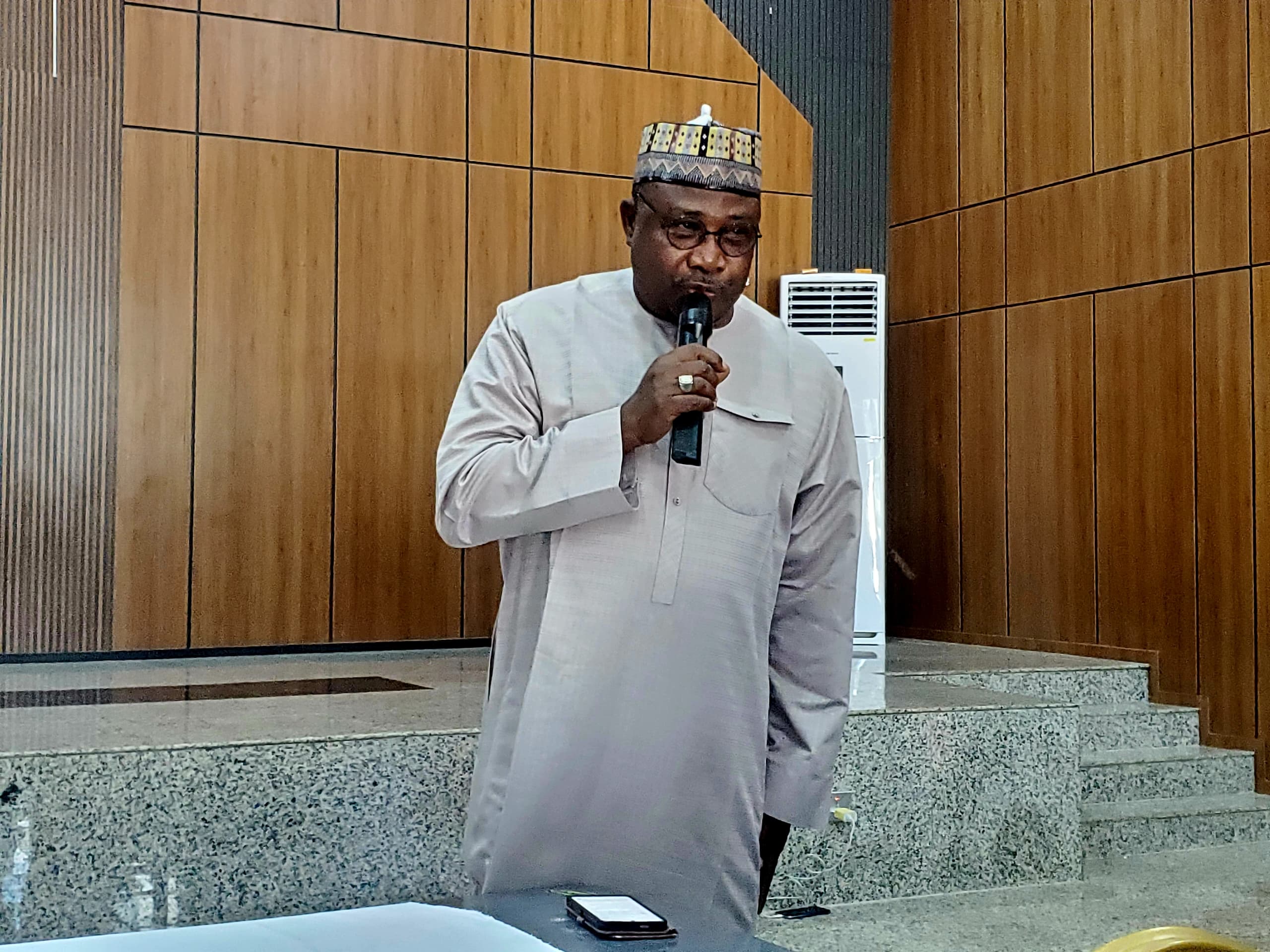
Ado also urged journalists to use budgetary data to engage policymakers and demand explanations on allocations, releases, expenditure and the impact of public spending on children.
Participants further emphasised the importance of multidimensional deprivation analysis, particularly the eight dimensions used to identify children experiencing multiple and overlapping forms of deprivation.
They said such evidence would enable government to identify children and communities facing the greatest challenges and ensure that limited public resources are directed to areas of greatest need.
The engagement noted that public financing for children is critical to protecting children’s rights, building human capital, promoting equity, strengthening resilience, building public trust and ensuring value for money.
Child-focused public financing, stakeholders said, should prioritise education, health, nutrition, water, sanitation and hygiene (WASH), child protection and social protection.
They stressed that effective financing requires government to follow the entire public finance cycle—from revenue mobilisation, planning and allocation to releases, spending and accountability—to ensure that every naira committed to children produces measurable results.
The stakeholders therefore urged stronger collaboration among government, the media and development partners to promote transparent and accountable public financing, stressing that every budget should ultimately count for every child, particularly the most vulnerable.
= 1140 ) { /* large monitors */ var adEl = document.createElement(“ins”); placeAdEl.replaceWith(adEl); adEl.setAttribute(“class”, “adsbygoogle”); adEl.setAttribute(“style”, “display:inline-block;width:468px;height:60px”); adEl.setAttribute(“data-ad-client”, “”); adEl.setAttribute(“data-ad-slot”, “”); (adsbygoogle = window.adsbygoogle || []).push({}); } });window.addEventListener(“load”, function(){ var placeAdEl = document.getElementById(“td-ad-placeholder”); if ( null !== placeAdEl && td_screen_width >= 1019 && td_screen_width = 768 && td_screen_width < 1019 ) { /* portrait tablets */ var adEl = document.createElement("ins"); placeAdEl.replaceWith(adEl); adEl.setAttribute("class", "adsbygoogle"); adEl.setAttribute("style", "display:inline-block;width:468px;height:60px"); adEl.setAttribute("data-ad-client", ""); adEl.setAttribute("data-ad-slot", ""); (adsbygoogle = window.adsbygoogle || []).push({}); } });window.addEventListener("load", function(){ var placeAdEl = document.getElementById("td-ad-placeholder"); if ( null !== placeAdEl && td_screen_width
