
[]
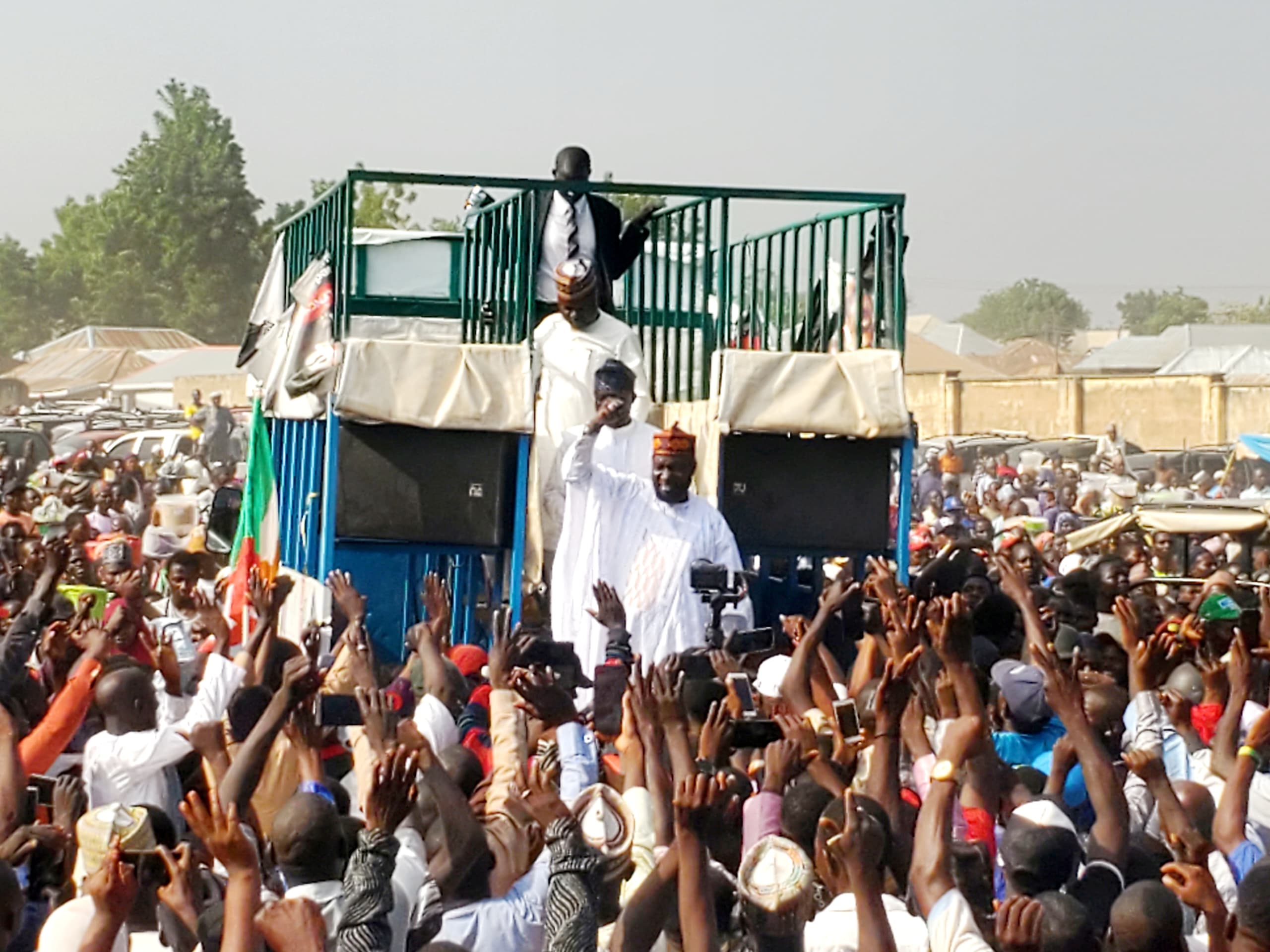
The Kanam Progressives Peoples Movement (KPPM) has endorsed Rt. Hon. Yusuf Adamu Gagdi, Member representing Pankshin, Kanke and Kanam Federal Constituency, for a third term in office.
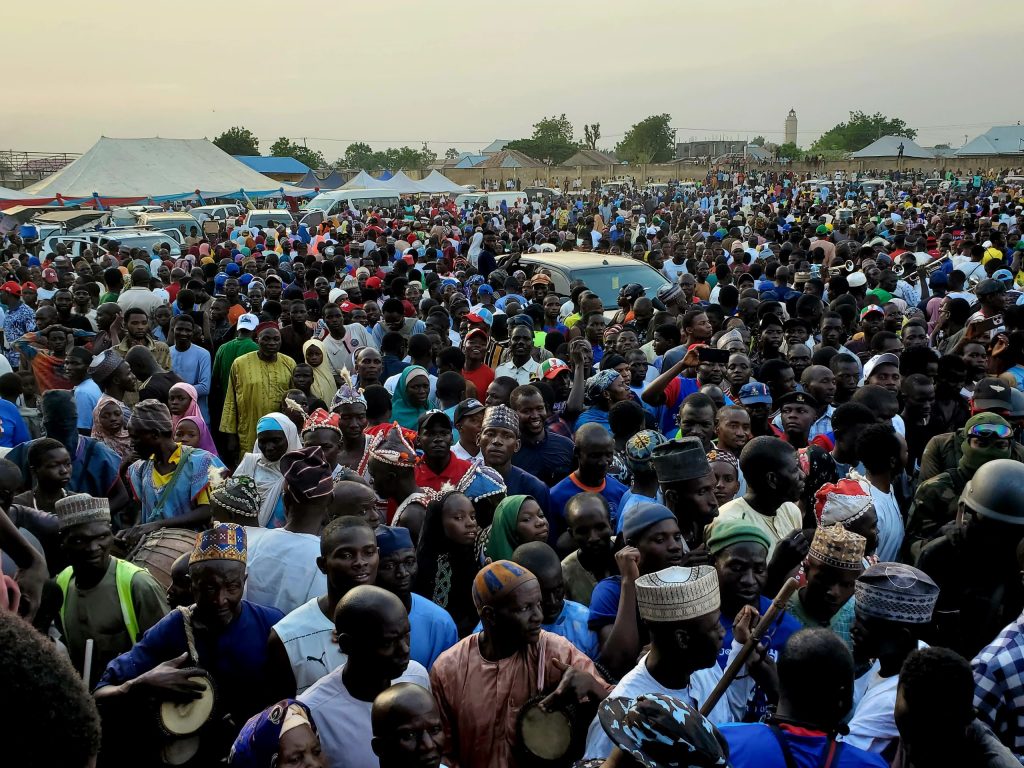
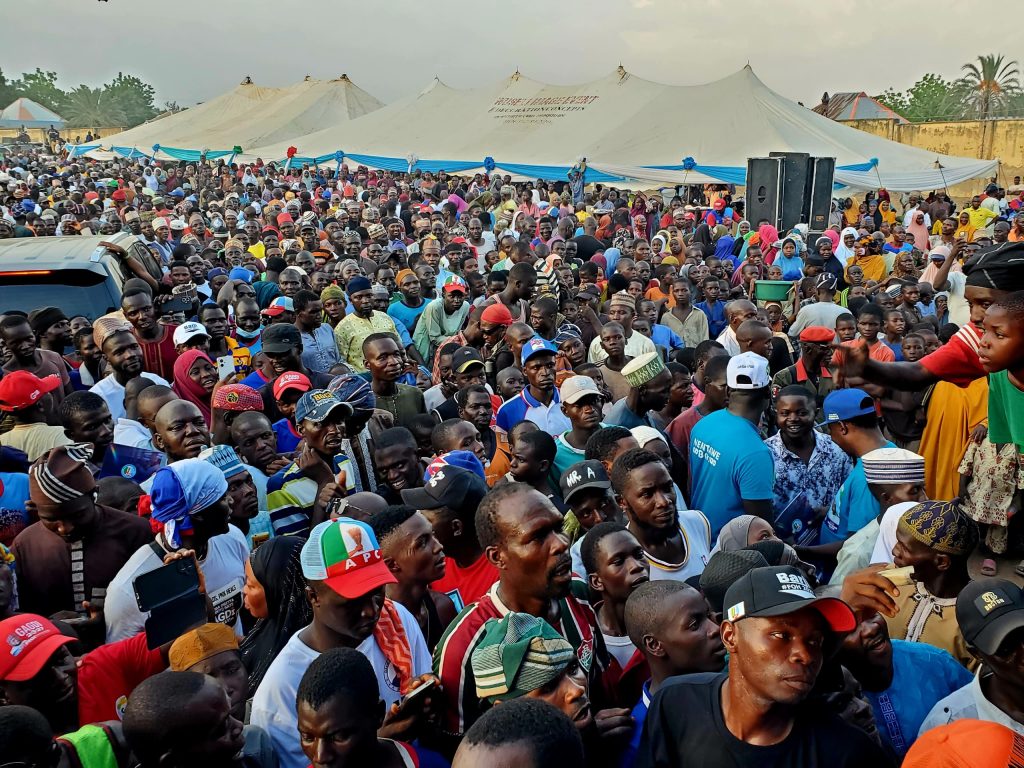
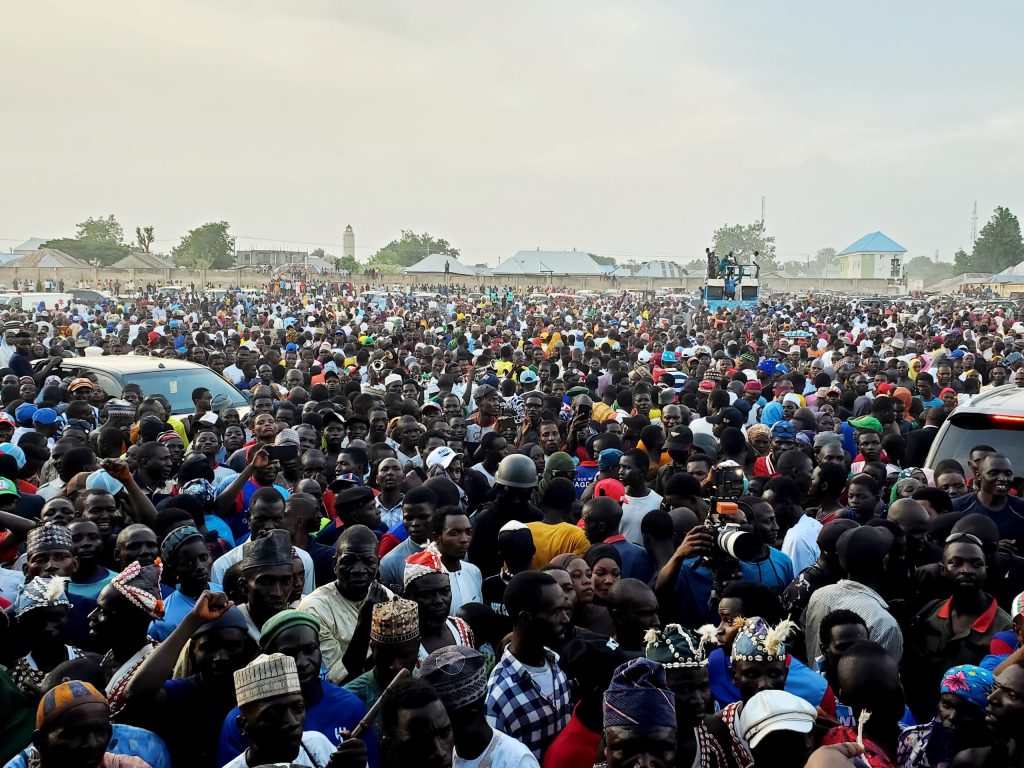
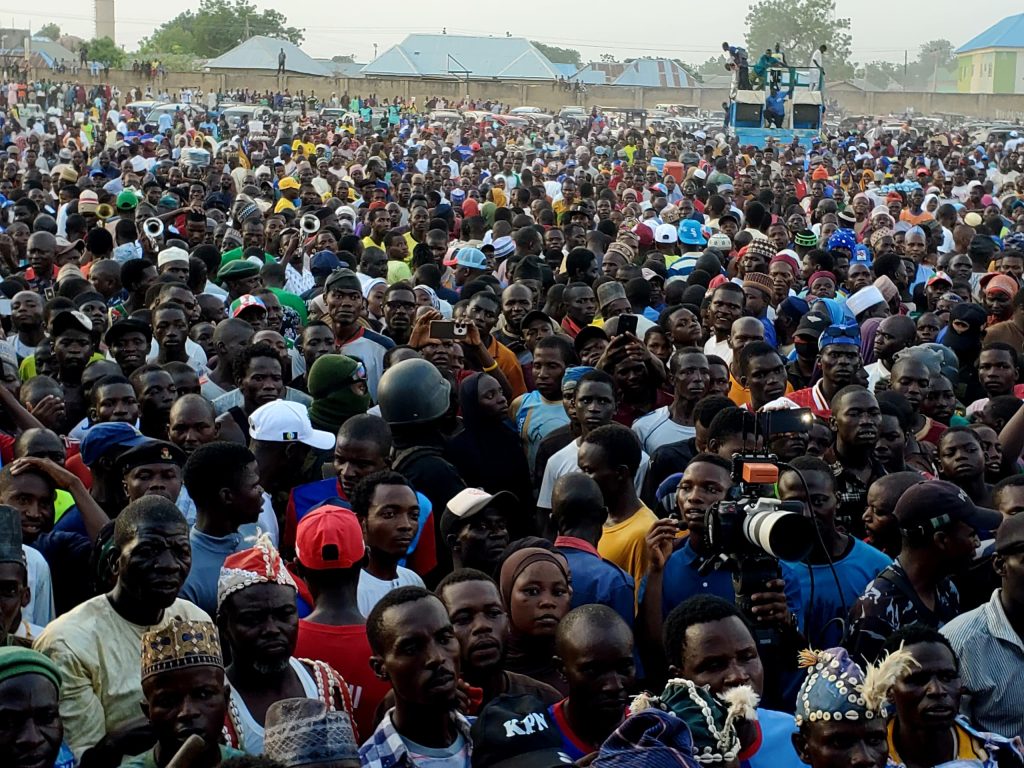
The group declared its support at Dengi Mini Stadium Kanam LGA, following what it described as Gagdi’s “outstanding performance” in representation, particularly in the areas of Job opportunities, Education, and legislative impact.
KPPM leaders, Prof. Saleh Muhammed Galadiman Kanam, said the lawmaker has consistently attracted federal presence to the constituency and has remained responsive to the needs of his constituents.
he called on stakeholders and members of the All Progressives Congress (APC) in Kanam to remain united and work together in strengthening the party ahead of the 2027 general elections.
He also cautioned against engaging in politics of hatred and division, urging residents to embrace peaceful political participation and mutual respect for the overall development of the area.
Prof. Galadiman further encouraged eligible citizens to register and obtain their voter’s cards, stressing that active participation in the electoral process remains key to shaping the future of the constituency.
Other key political figures were also endorsed at the event, including President Bola Ahmed Tinubu and Plateau State Governor Caleb Manasseh Mutfwang, as the group reaffirmed its commitment to supporting leaders it believes can deliver good governance.
The movement further backed Chief Barji David Bulus for Senate, alongside Hon. Kalamu Idris Dal and Hon. Buhari Zakari for State Assembly seats, urging unity among supporters ahead of future elections.
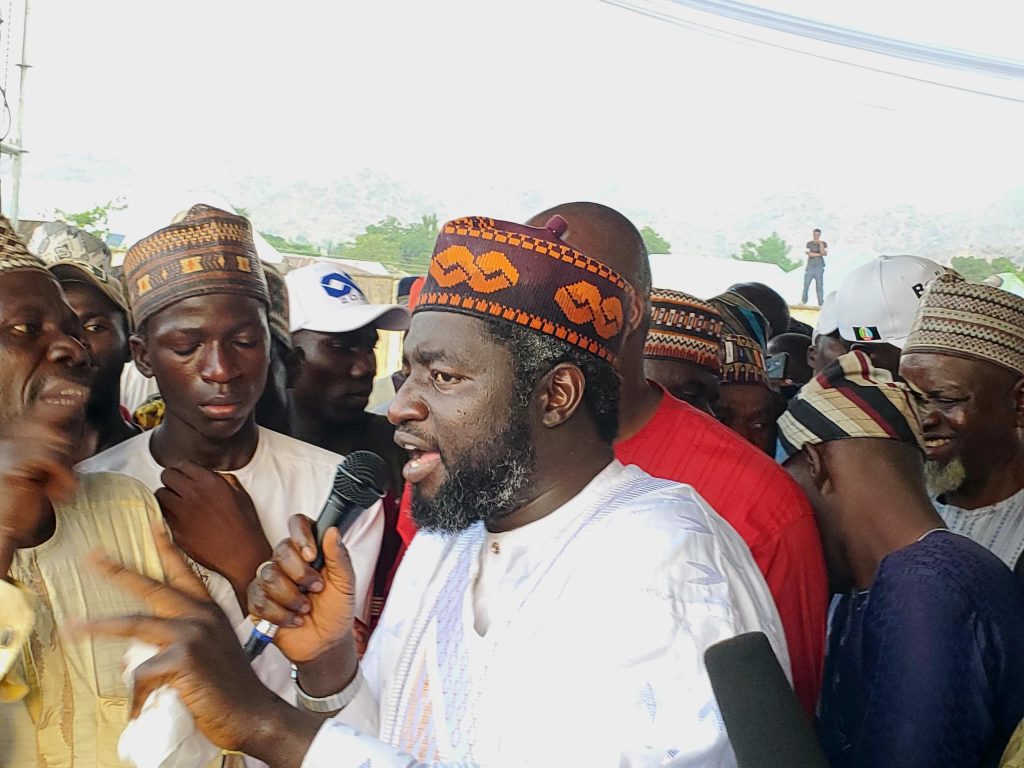
In response, Rt. Hon. Yusuf Adamu Gagdi has expressed appreciation to the Kanam Progressives Peoples Movement (KPPM) for its continued support, recalling that the group has stood by him since his first election into the House of Representatives in 2019.
He noted that his relationship with the movement predates his time in office, describing it as a strong political structure that has contributed to producing credible representatives at the National Assembly.
“I sincerely thank KPPM for their unwavering support from 2019 to date. My loyalty to this movement is not new, and I remain committed to its ideals and vision for our people,” he said.
Gagdi also pledged to work in unity with other aspirants endorsed by the group, stressing the importance of collective effort in achieving political success and delivering development to the constituency.
He urged constituents to continue supporting Governor Caleb Manasseh Mutfwang, expressing confidence that more development projects would reach Kanam through sustained cooperation with the state government.
Speaking on his third-term ambition, he maintained that every citizen has the constitutional right to contest elections as many times as they wish, dismissing opposition to his aspiration as unnecessary. “Politics at this level is different from school unionism. Everyone has the right to contest, so protests against my third-term ambition are laughable,” he stated.
He reaffirm his commitment to unity and continuous support for his constituents, announcing financial assistance for WAEC, NECO, and JAMB registrations, as well as support for an ambulance service to improve healthcare delivery in the area.

= 1140 ) { /* large monitors */ var adEl = document.createElement(“ins”); placeAdEl.replaceWith(adEl); adEl.setAttribute(“class”, “adsbygoogle”); adEl.setAttribute(“style”, “display:inline-block;width:468px;height:60px”); adEl.setAttribute(“data-ad-client”, “”); adEl.setAttribute(“data-ad-slot”, “”); (adsbygoogle = window.adsbygoogle || []).push({}); } });window.addEventListener(“load”, function(){ var placeAdEl = document.getElementById(“td-ad-placeholder”); if ( null !== placeAdEl && td_screen_width >= 1019 && td_screen_width = 768 && td_screen_width < 1019 ) { /* portrait tablets */ var adEl = document.createElement("ins"); placeAdEl.replaceWith(adEl); adEl.setAttribute("class", "adsbygoogle"); adEl.setAttribute("style", "display:inline-block;width:468px;height:60px"); adEl.setAttribute("data-ad-client", ""); adEl.setAttribute("data-ad-slot", ""); (adsbygoogle = window.adsbygoogle || []).push({}); } });window.addEventListener("load", function(){ var placeAdEl = document.getElementById("td-ad-placeholder"); if ( null !== placeAdEl && td_screen_width
